
Friendly service, beautiful results, and great attention to detail.
HOA & Condo Association Painting in Pasadena, CA
Pasadena Elite Painting is Los Angeles County's commercial painting contractor for HOA boards, community association managers and condo property managers, delivering exterior repaints, stucco and elastomeric recoats and common-area interiors across association-governed communities. Projects run from a 12-unit townhome cluster to a 150-unit condominium campus with multiple buildings and shared amenity structures.
Our crews work condominium associations, townhome HOAs, planned unit developments and mixed condo-retail buildings, phasing the repaint building by building and unit line by unit line so residents keep access to entries, patios and parking. Fully licensed (CSLB #585047), insured and bonded, with certificates of insurance, W-9 and board references available on request.
From reviewing an association's reserve study and paint specification to delivering a signed-off punch list at closeout, our team handles the steps that keep a board and its management company confident in the schedule.
Serving Pasadena and the surrounding San Gabriel Valley, we work around board meeting cycles and resident notice requirements, stay on the property until every building on the phase plan is complete, and leave the association with documentation for its files.
- We bid to your reserve study
- Phase plan agreed before mobilisation
- Board-ready written proposal
- Licensed, insured and bonded
Reviews
What boards and managers say about the work
Pasadena Elite Painting repaired several damaged areas of drywall before repainting our bedroom. The repaired sections blend perfectly with the surrounding walls, and the finished room looks clean and polished.
The exterior paint had faded badly from years of sun exposure. After the project was completed, our home had stronger curb appeal and a fresh, updated appearance. The trim work looks especially sharp.
Our bathroom painting project came out beautifully. Clean edges and a flawless finish!
We needed our office repainted without creating a major disruption for employees. Pasadena Elite Painting handled the project efficiently and gave the entire workspace a brighter, more professional appearance.
The painters took great care around our furniture, flooring, and fixtures. Our walls and ceilings look fantastic, and there were no drips or messy edges left behind.
Our new accent wall looks perfect. It completely changed the feel of the room.
Pasadena Elite Painting helped us choose colors that complemented our flooring and natural lighting. The finished interior feels warm, coordinated, and much more inviting. We are extremely happy with the transformation.
01
Scope and project size
Association work is defined by the phase plan as much as by the unit count. What follows describes the range of properties we take on.
| Association type | Typical unit count | Common scope |
|---|---|---|
| Townhome HOA, single phase | 12 to 40 units | Exterior repaint, trim and stucco crack repair, shared fencing |
| Condominium association, single building | 30 to 80 units | Full building exterior, corridors and stairwells, elastomeric recoat |
| Multi-building condo campus | 80 to 150 units and above | Phased building-by-building repaint, clubhouse and amenity interiors |
| Mixed condo and retail | Varies by floor plate | Ground-floor storefronts plus residential exterior above |
| Planned unit development | Varies by phase | Detached and attached units, shared walls, fencing and common structures |
Reserve studies frequently specify a repaint cycle and a coating type in advance. We bid to that specification where one exists, and build our own scope from the site walk where the association is starting fresh.
Who this is for
- HOA and condo association boards planning a reserve-study-driven exterior repaint.
- Community association managers coordinating bids on behalf of a board or a management company.
- Condo property managers overseeing day-to-day building maintenance.
- Developers converting or completing new condominium and townhome construction.
02
How an association project runs
Six stages, built around the fact that a board approves work at a meeting rather than on a phone call.
Site walk and takeoff
We walk the property with the manager or a board representative, review any reserve study or existing paint specification, and measure buildings and shared elements.
Written proposal
Scoped to match the reserve study's coating type and cycle where one exists, or built from the walk where it does not, so the board can compare contractors on identical scope.
Board approval and scheduling
Boards review bids at a scheduled meeting. We can present the proposal directly or supply materials for the manager to present, and we schedule around that approval timeline rather than assuming it away.
Phasing
Buildings and unit lines sequenced so the association is never fully under scaffolding at once, with resident notices distributed ahead of each phase.
Execution
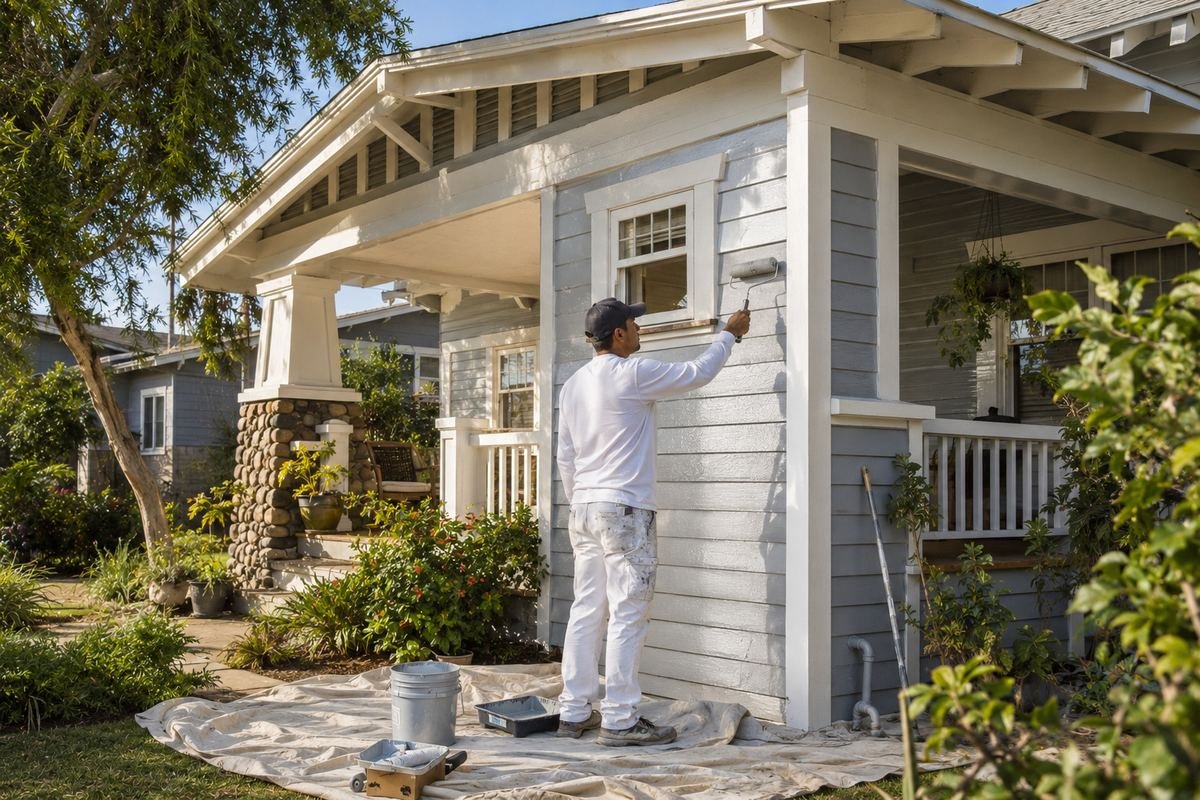
Crews prep, prime and coat by building, protecting shared walkways, mailrooms, pool decks and clubhouse areas as the phase moves through the property.
Punch list and closeout
A joint walk-through with the board or the manager, followed by coverage documentation and product data sheets for the association's permanent records.
03
Occupied communities, compliance and bidding
Association properties are lived in every day of the job, and residents expect notice before crews arrive at their building or unit line.
Notices go out through the manager or the board ahead of each phase. Buildings are sequenced so only a portion of the property is under containment at any time, and we schedule around shared-space use where an association has an active clubhouse, pool deck or leasing office that cannot close for the duration. Weekend and early-morning work is available on elevations that face high-traffic walkways, and dust, overspray and paint-chip containment protect resident vehicles, patios and planting throughout.
Credentials and compliance
We are licensed (CSLB #585047), insured and bonded, and certificates naming the association or its management company as additional insured are issued on request. Many associations need insurance language tied to their master policy, and we work directly with a board's insurance agent to match those requirements rather than sending a generic certificate. Crews follow lead-safe work practices on pre-1978 buildings, which covers a share of Pasadena's older condominium conversions, and low-VOC coatings are specified where air quality limits or association architectural guidelines call for them.
How we scope and bid your project
Association bids work differently, because a board or manager is comparing proposals side by side and often has to defend the choice to residents. We start from whatever documentation exists, whether that is a reserve study, a prior specification or colour guidelines in the governing documents, and build the proposal to match it so the comparison is like for like. Where no specification exists, the site walk covers every building and shared structure, and the resulting proposal spells out preparation, coating systems, the colour approach and the phasing in writing.
04
Materials, scheduling and the local association stock
Stucco dominates association exteriors built from the 1970s forward, and the recoat decision follows moisture behaviour rather than habit.
Exterior systems
Elastomeric remains the standard recoat because it bridges hairline cracking while still moving vapour, keeping moisture from being trapped behind the wall. Where architectural guidelines call for a more traditional appearance, limewash and mineral coatings are fully vapour permeable and build opacity across several coats.
Common areas and masonry
Corridors, stairwells and clubhouses take waterborne acrylic systems matched by sheen to wear. Shared brick and masonry elements take breathable systems rather than a film that traps moisture and accelerates spalling at the base of the wall.
Scheduling
Association work is usually planned months ahead around a reserve cycle and the board's meeting calendar. Exterior phases are scheduled for the dry months when coatings cure fastest and a rained-out phase will not delay the next building in sequence.
Pasadena's association stock runs from older condominium conversions near the South Lake Avenue district and the historic core out to newer planned developments toward the city edges. Arcadia carries a meaningful stock of HOA-governed property, and San Marino's association and estate properties fall under strict historic preservation design review, which changes how a colour or coating change gets approved and how long that approval takes. The heavier ultraviolet exposure here compared with coastal Los Angeles drives the chalking that puts most stucco exteriors on a recoat cycle, which is why reserve studies in this market plan for one.
05
Frequently asked questions about association painting
Do you bid from our reserve study or existing paint specification?
Yes, and it is the cleanest way to run a board comparison. If your association has a reserve study, a prior specification or colour guidelines in the governing documents, we bid directly to those documents so every contractor is quoting the same scope and the board is comparing numbers rather than interpretations.
Can you present to our board directly?
Yes. We can attend a meeting to present the proposal and answer questions, or supply materials for your community association manager to present. Boards frequently have questions about phasing and resident impact that are easier to settle in the room than in an email chain.
How do you handle colour approval across a community?
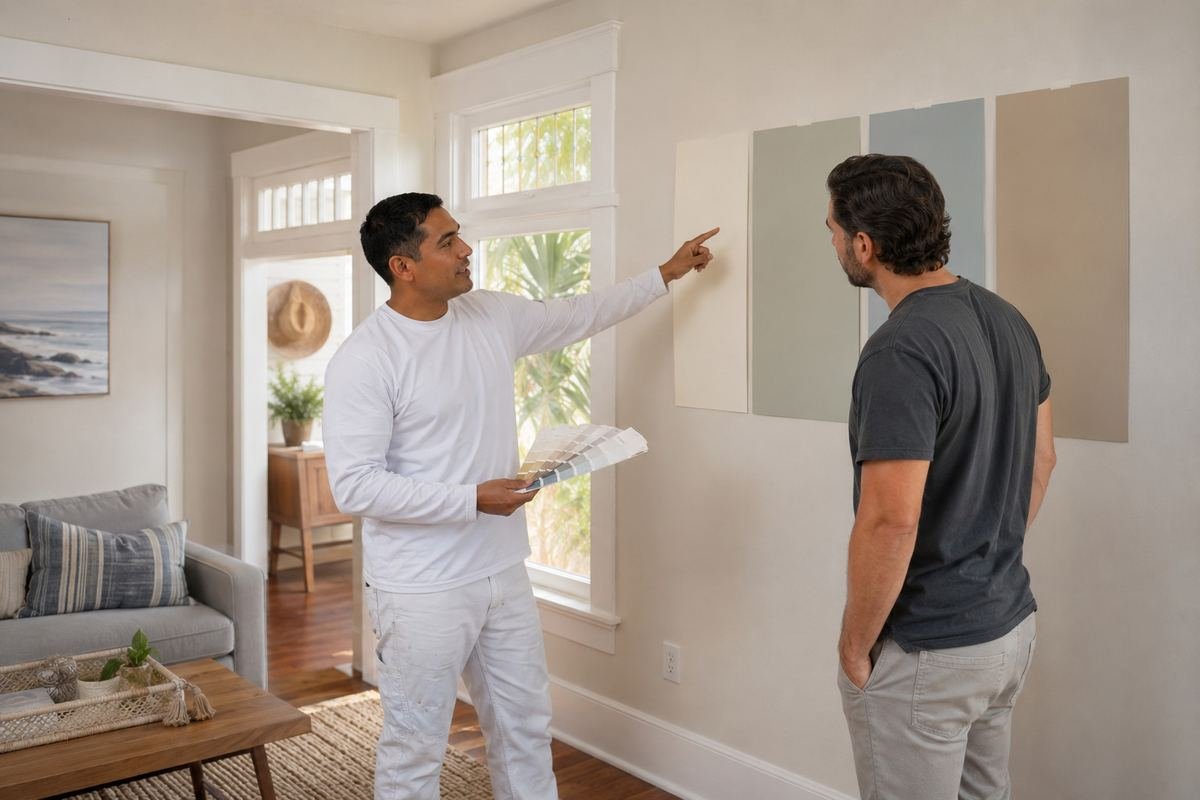
With sample elevations rather than chips. Approved schemes go up on an actual building, in the light the community sees, and are reviewed before the board votes. Where governing documents restrict the palette we work inside it, and where a change is proposed we allow time in the schedule for the approval process.
Do you offer per-unit pricing across the property?
No. Association work is scoped from the unit count, the building count and the reserve study, and set out in a written proposal built for your specific property. A per-unit figure hides the differences between buildings that actually drive the work, particularly on campuses where one phase has far more stucco repair than another.
How is payment structured on an association project?
Terms and any lien-related documentation are set out in the written proposal and can be structured around milestone completion by building or by phase, which is what most boards prefer. Ask your estimator for the specific terms available for your project.
What closeout documents does the association receive?
A signed punch-list walk-through with the board or manager, coverage documentation and product data sheets for the systems used, in a form suitable for the association’s permanent files. Reserve studies get updated off those documents, so they are prepared properly rather than as an afterthought.
Can you work around our clubhouse, pool and amenity schedule?
Yes, and it needs to be raised at the bid stage rather than during the job. Amenity areas that cannot close get scheduled for early mornings, weekends or off-season windows, and the phase plan is built so shared facilities are out of service for the shortest possible period.
What happens if a phase runs into rain?
The phase plan carries slack for it, and exterior work is scheduled for the dry months precisely to reduce the risk. If weather does stop a phase, crews hold on the property and pick that building back up rather than demobilising and returning weeks later, which is what turns a delayed phase into a delayed project.
06
Related commercial services
Association scopes frequently touch these as well.
- Apartment Complex Painting
- Apartment Turnover Painting
- Office & Retail Interior Painting
- Commercial Building Exterior Painting
- Stucco Painting
- Commercial Painting Contractors
Painting service areas
Association work across every community we cover in the San Gabriel Valley and the western foothills.
Bring a proposal to your board
Send your unit count, building count and any existing reserve study. We will schedule a site walk and return a written bid the board can review at its next meeting.
- Bid built to your reserve study
- Phase plan and resident notices included
- Licensed, insured and bonded